Written by Nell VH
Public relations, if we’re honest, didn’t start out polished. It came out of rough edges, company crises, political needs, and media pressure. We’ve seen how some voices—sharp, strategic, stubborn—changed the game for everyone.
We don’t always notice the gears grinding underneath a brand’s spotless image or a politician’s speech, but those PR minds are always there. What they shaped wasn’t just media coverage—it was how society connects to institutions. And the deeper we dig into this history, the more we see it: PR isn’t just communication. It’s culture.
Key Takeaways
- Early PR pioneers introduced transparency and psychological insight, setting foundational principles still used today.
- Contemporary leaders expanded PR’s reach into political, corporate, and global advocacy, blending strategy with influence.
- Women in PR broke barriers and shaped education, ethics, and diversity within the industry.
Early Pioneers and Founders
Ivy Lee: The Father of Modern PR
Lee started with a train wreck. That wasn’t just metaphorical. It was the 1906 Pennsylvania Railroad accident, and instead of hiding it, he did what no one expected—he told the truth. That act, inviting reporters straight to the scene, flipped everything. (1)
He didn’t invent honesty, but he applied it to business like a craftsman, chipping away at the idea that companies had to hide behind thick walls. Lee believed in “public information,” not manipulation. And while it wasn’t perfect transparency, it set something in motion.
His use of bulletins—simple, factual sheets to journalists—felt almost boring. But they worked. Lee proved that companies wouldn’t burn down just by being honest. And for once, the public wasn’t treated like an obstacle. They were part of the equation.
Edward Bernays: The Father of Public Relations
Bernays added the smoke—literally. He saw communication not just as messaging but as behavior. The cigarette campaign for women, though ethically murky now, was genius in its frame: “freedom.” He didn’t say, “buy this.” He said, “this is who you are.”
His work taught us that PR isn’t always about fact—it’s about belief, association, identity. He pulled levers most of us didn’t know were there. He sold pianos not through price but by suggesting they belong in the “music room.” He made bacon a morning tradition.
And he made all of it feel natural. Even though it wasn’t.
Harold Burson: Building the PR Giant
Burson’s world wasn’t smoke and mirrors—it was systems, structure, and relationships. He saw PR as more than just stories; it was strategy. His firm didn’t chase attention—it earned trust. It built frameworks for how businesses talked to employees, shareholders, and customers.
He helped PR move from the sidelines to the boardroom. That sounds like business-speak, but what it means is this: he made PR permanent. It wasn’t just a reaction tool anymore. It was proactive. Planned. Part of the map.
And it wasn’t loud. That’s the thing about Burson—his influence came from quiet discipline.
Dan Edelman: The Storyteller
Dan Edelman didn’t wait for crises. He made events happen. He crafted the environment, not just the response. He’d launch a new product with a live stunt, get the media’s attention, and let the public come to their own conclusions (which usually matched the one he wanted).
He understood something deep: facts don’t always stick. Stories do.
He didn’t just promote products; he created atmosphere. It made sense in a growing media world. Attention spans were shrinking, and Edelman met them where they were—through boldness, narrative, and flair.
Herbert Schmertz: The Corporate Communicator
Schmertz didn’t believe PR had to stay soft. His advertorials—half ad, half article—planted corporate ideas inside editorial space. He took PR beyond image and into influence. During the 1970s oil crisis, his pieces for Mobil didn’t just say “we’re sorry.” They said, “here’s what’s happening, and here’s our view.” (2)
This was powerful stuff—because it didn’t feel like PR. It felt like conversation.
He proved that corporate communication could shape national debate. And he wasn’t afraid to go deep into policy, numbers, and nuance.
We still see his fingerprints every time a company writes a long “open letter.”
Contemporary Influential Figures
Sir Alan Parker: The UK Powerhouse
Sir Alan Parker’s Brunswick wasn’t built on visibility. It was built on connections. He became a whisper in corporate corridors, a fixer behind the curtain. He proved that silence could be strategic—that being known by the right people mattered more than being known by everyone.
We often think PR means exposure. Parker made a career from subtlety. Mergers, crises, sensitive negotiations—his work wasn’t flashy. But it was effective.
That’s influence most people never see.
Tim Bell: The Political Image Maker
Tim Bell understood something politicians often forget: consistency beats charisma. His work with Margaret Thatcher sharpened her image into something both divisive and iconic.
Bell treated elections like brands. And later, his firm pushed luxury names and corporate rebrands with the same formula. He made sure everything a client said, wore, and stood near told one story.
It wasn’t always ethical. His agency ran into trouble later. But the method—the meticulous shaping of perception—still echoes.
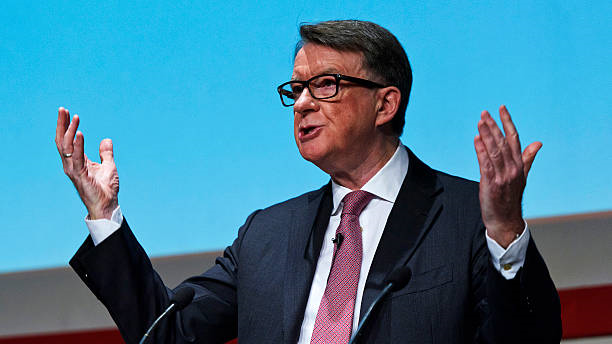
Peter Mandelson: From Politics to PR
Mandelson, a spin doctor turned PR executive, carried political cunning into commercial communications. When you’ve managed political scandal, handling a product launch is just Tuesday.
He co-founded a firm that took on clients from massive tech to foreign governments. Controversial, yes. But strategic? Absolutely.
He showed that knowledge of power—how it’s built, protected, and projected—can be sold like any other service.
Campbell: The Global Advocate
Campbell’s work with UN organizations highlights a branch of PR that’s easy to ignore: advocacy. He doesn’t sell products. He shapes public will. He uses language and imagery to move social progress forward—whether it’s rights, reform, or awareness.
What we see in his work is this: PR doesn’t have to serve commerce. It can serve causes.
And it still works best when it speaks clearly.
Harris Diamond: The Agency Consolidator
Harris Diamond didn’t invent integrated marketing, but he made it matter. At Weber Shandwick, he merged silos—advertising, digital, public affairs—into a single strategic service.
He didn’t see PR as a solo act anymore. It was part of a campaign orchestra. And he pushed PR professionals to learn new instruments: analytics, SEO, content strategy.
It’s the only way to keep up with today’s media.
Richard Edelman: Continuing the Legacy
Richard Edelman’s edge isn’t just inheritance—it’s adaptability. While others clung to legacy media, he chased digital. He measured trust. He questioned influence. He asked what people actually believe.
And then he built campaigns to match.
Under his leadership, the firm didn’t just expand. It evolved. It moved faster, listened harder, and stayed uncomfortable.
That’s probably why it’s still standing strong.
Notable Women in PR
Credits: TEDx Talks
Betsy Plank: The First Lady of PR
Plank didn’t just do PR—she studied it. She demanded that schools teach it properly. She knew that without education, ethics would drift. (3)
She helped establish university programs, advocated for training, and believed in mentorship. Her legacy is quieter than others, but no less essential. It’s in every curriculum, every code of conduct.
She made PR feel like a profession, not a trick.
Muriel Fox: The Trailblazer
Fox’s work cut across business and activism. She could handle press for corporations and rally support for women’s rights without missing a beat.
She knew PR could be more than selling—it could be signaling. And she used that power with clarity.
She opened doors that stayed open.
Doris Fleischman and Inez Y. Kaiser: Advocates for Diversity
Fleischman, married to Bernays but never eclipsed by him, brought intellect and dignity to her work. She published under her own name, kept her maiden identity, and quietly moved the industry toward inclusivity.
Inez Kaiser, meanwhile, was one of the first Black women to own a PR firm. Her clients didn’t just need promotion—they needed a seat at the table. She gave them both.
They didn’t wait to be included. They built inclusion into the work.
Characteristics and Impact of Notable PR Figures

Strategic Vision and Crisis Management
We can trace a pattern through all these figures—vision. Not just foresight, but clarity. They looked beyond a headline to the full arc of public reaction. They saw how a stumble could be spun or a strength could be spotlighted.
Their crisis work had a few common elements:
- Anticipation (not just reaction)
- Fast communication (within hours, not days)
- Unified messaging across departments
- Framing—turning fault into transparency, or silence into substance
And most importantly: they kept calm.
Shaping Public Perception Across Sectors
We see them working across every part of society:
- Politics (crafting speeches, platforms, coalitions)
- Corporations (handling mergers, scandals, product launches)
- Advocacy (raising awareness, driving donations, policy influence)
- Education (building public understanding)
They didn’t just speak for their clients. They taught their clients how to speak—to people, not at them.
Lasting Influence on Today’s PR Practice
The figures we’ve followed—Lee, Bernays, Edelman, Plank—they didn’t just change PR. They wrote its rules. Their influence is coded into our daily practice.
We still see Lee in press releases that don’t spin too hard. We see Bernays in campaigns that stir identity. We see Plank in every student handbook on ethics. And we see Schmertz in every company op-ed.
Even now, as media fragments, attention shortens, and trust thins, we return to the same questions they asked:
- Who are we?
- What are we saying?
- Who’s listening?
- Why should they care?
Their answers weren’t always clean. But they worked.
FAQ
What makes a PR person notable or famous?
A PR person becomes notable when they handle big crisis situations really well, work with famous people or companies, or create campaigns that everyone talks about. They might also write books, teach others, or win awards for their work.
Who are some of the most famous PR professionals in history?
Edward Bernays is called the father of public relations. Ivy Lee helped create modern PR practices. More recently, people like crisis managers and celebrity publicists have become well-known for handling tough situations and keeping famous people in the news.
How do PR professionals become so influential?
They build trust with reporters and media people over many years. They learn how to tell stories that people care about. The best ones understand what makes news and can quickly respond when problems happen for their clients.
What kind of education do successful PR figures usually have?
Most have college degrees in communications, journalism, marketing, or business. Some study psychology or English too. But real experience working with media and handling different situations often matters more than just having the right degree on paper.
Do notable PR professionals work for specific types of clients?
Some focus on helping politicians during elections. Others work mainly with movie stars and musicians. Many handle big companies when they face problems. The most famous ones often switch between different types of clients throughout their careers.
How do PR figures handle crisis situations for their clients?
They act fast when bad news breaks. They prepare honest statements that address problems directly. They work with news reporters to share their side of the story. The best crisis managers stay calm and have plans ready before emergencies happen.
What skills make PR professionals stand out from others?
Great PR people are excellent writers and speakers. They understand how different types of media work. They can think quickly under pressure and know how to build relationships with important people in journalism and entertainment industries.
How has social media changed the work of notable PR figures?
Social media made their jobs both easier and harder. They can now reach people directly without going through traditional news outlets. But they also have to watch for problems 24 hours a day and respond to criticism much faster than before.
Conclusion
For modern communicators, getting your message heard isn't just about crafting the right story—it’s also about choosing the right platform. That’s where tools likeNewswireJet come in. Designed for small to mid-sized businesses, NewswireJet offers affordable press release distribution that gets your news on major outlets like NBC, CBS, Yahoo, and Google News.
With professional writing services and detailed distribution reports, it's a smart alternative to expensive PR firms—helping you boost visibility and credibility without breaking the budget.
If we listen close, the history of PR doesn’t just echo—it guides. These figures—flawed, brilliant, controversial—left behind more than ideas. They built an entire language of communication. And we’re still using it. We probably always will.
So we study them—not just to understand where PR came from, but to remind ourselves what it can do when done right. Keep it honest. Keep it sharp. Speak clearly. Listen better.
Related Articles
- /key-pr-terminology-figures/
- /what-is-the-purpose-of-a-media-release/
- /core-concepts-of-public-relations/
References
- https://en.wikipedia.org/wiki/Ivy_Lee
- https://en.wikipedia.org/wiki/Herbert_Schmertz
- https://instituteforpr.org/wp-content/uploads/Power_PublicRelations1.pdf